Shin Splints (Medial Tibial Stress Syndrome)
Shin pain can turn a long day on your feet into a challenge, but it doesn’t have to stay that way. Physical therapy for shin splints helps address the stress affecting your lower leg while building the strength and movement control needed for a safer return to activity.
At Active Physical Therapy & Chiropractic Group, we look beyond the pain to provide the most effective, holistic treatment possible. Your evaluation may include your foot and ankle mobility, lower-leg strength, and the way your body handles impact. Chiropractic care or acupuncture can also support your treatment plan when appropriate.

What Are Shin Splints?
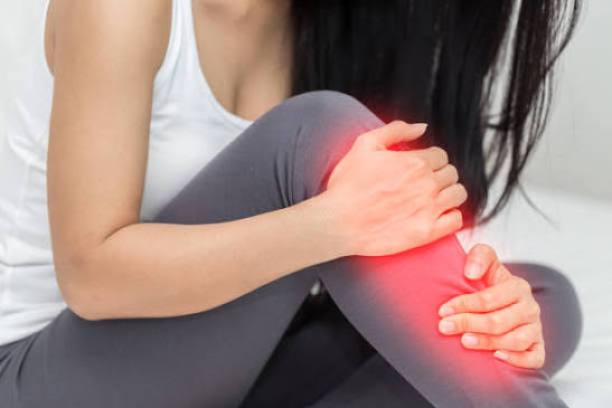
Shin splints, medically known as medial tibial stress syndrome, cause pain along the inner edge of the tibia, or shinbone. They commonly develop when the lower leg is repeatedly exposed to more stress than it is ready to handle.
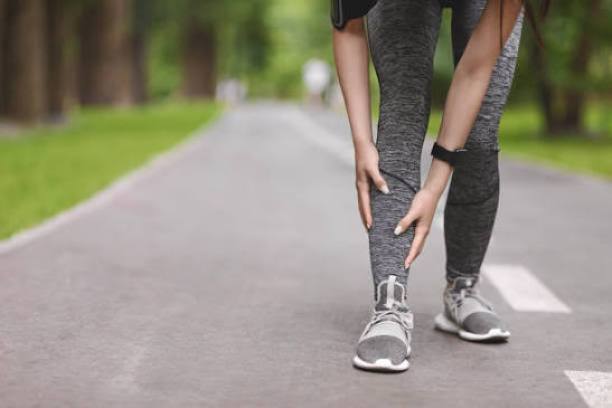
Shin splints are common in runners, and a sudden increase in running mileage can often trigger symptoms. Other triggers include changing training surfaces or adding more jumping and high-impact exercise to your training routine. Some people notice tenderness along a broader section of the shin during activity. It’s typical for discomfort to feel more noticeable as training continues.
With that said, shin pain can also come from other injuries. If your pain is highly localized to one spot, occurs at rest, or continues to get worse over time, we recommend an evaluation to rule out a bone stress injury or another condition.
About Shin Splints Physical Therapy Treatment
Shin splints physical therapy treatment begins with an evaluation, during which your physical therapist will identify why your lower leg is overloaded. They might assess ankle mobility and calf strength before looking at how your foot responds when you stand or move. In some cases, we’ll also look at running and landing mechanics to ensure we understand the bigger picture.
For medial tibial stress syndrome treatment, physical therapy often includes temporarily adjusting the activities that aggravate the shin. Rehabilitation can then build the lower leg’s ability to tolerate impact again.
Manual therapy may address mobility restrictions, while strengthening focuses on areas that help absorb and control force through the foot, ankle, and leg. Your therapist can also help you plan a gradual return to running or other high-impact activities rather than jumping straight back into your previous workload.
Which Exercises Can Help Shin Splints?
Physical therapy exercises for shin splints should build capacity without repeatedly provoking your shin pain.
Depending on your evaluation, your physical therapist may recommend:
- Calf raises that progress as lower-leg strength improves
- Foot and arch strengthening exercises
- Calf mobility work when ankle motion is limited
- Single-leg balance and control exercises
- Squats or step exercises to improve lower-extremity mechanics
Expect your home program to change and evolve as your symptoms improve and your tolerance for impact increases.
Can a Chiropractor Help With Shin Splints?
Chiropractic care does not replace the gradual activity progression needed for medial tibial stress syndrome, but it can often complement physical therapy when you’re living with restricted mechanics.
When working with a shin splints chiropractor, the goal should be to assess movement restrictions that may be adding unnecessary stress to the lower leg. Limited ankle motion or restrictions elsewhere in the lower extremity can influence how you absorb force when walking or landing. Your chiropractor may use joint mobilization or other hands-on techniques based on the evaluation.
Can Shin Splints Acupuncture Care Help?
Acupuncture for medial tibial stress syndrome is best viewed as a complementary option rather than the primary method for rebuilding your tolerance to running or impact. At Active PTC Group, we often use acupuncture to support pain management as you continue the strength and movement work needed for recovery.
Shin splints acupuncture care may be incorporated into a treatment plan when soreness or muscular tension makes your rehabilitation uncomfortable. During treatment, a licensed acupuncturist places thin needles at selected points on your body based on your symptoms.
Start Shin Splints Treatment in Midtown Manhattan
Active PTC Group brings physical therapists, chiropractors, and licensed acupuncture providers together in one Midtown Manhattan practice. Your plan may focus primarily on physical therapy or include another service that will best support your recovery.
If shin pain keeps returning when you work out or spend long periods on your feet, schedule an evaluation with our team. We can identify factors that may be overloading your lower leg and help you work toward a gradual return to the activities you love.